Top 10 Benefits of Using Plastic Film Rolls for Food Packaging Solutions
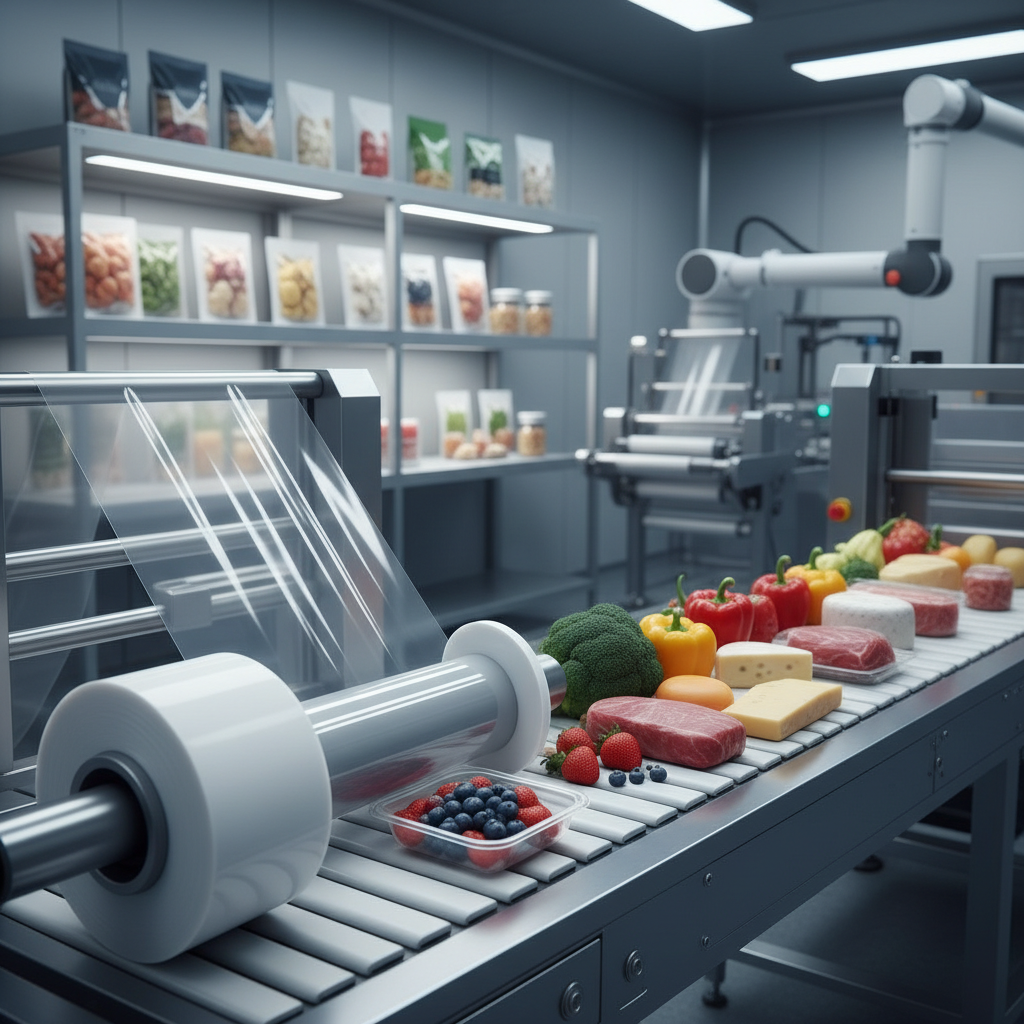
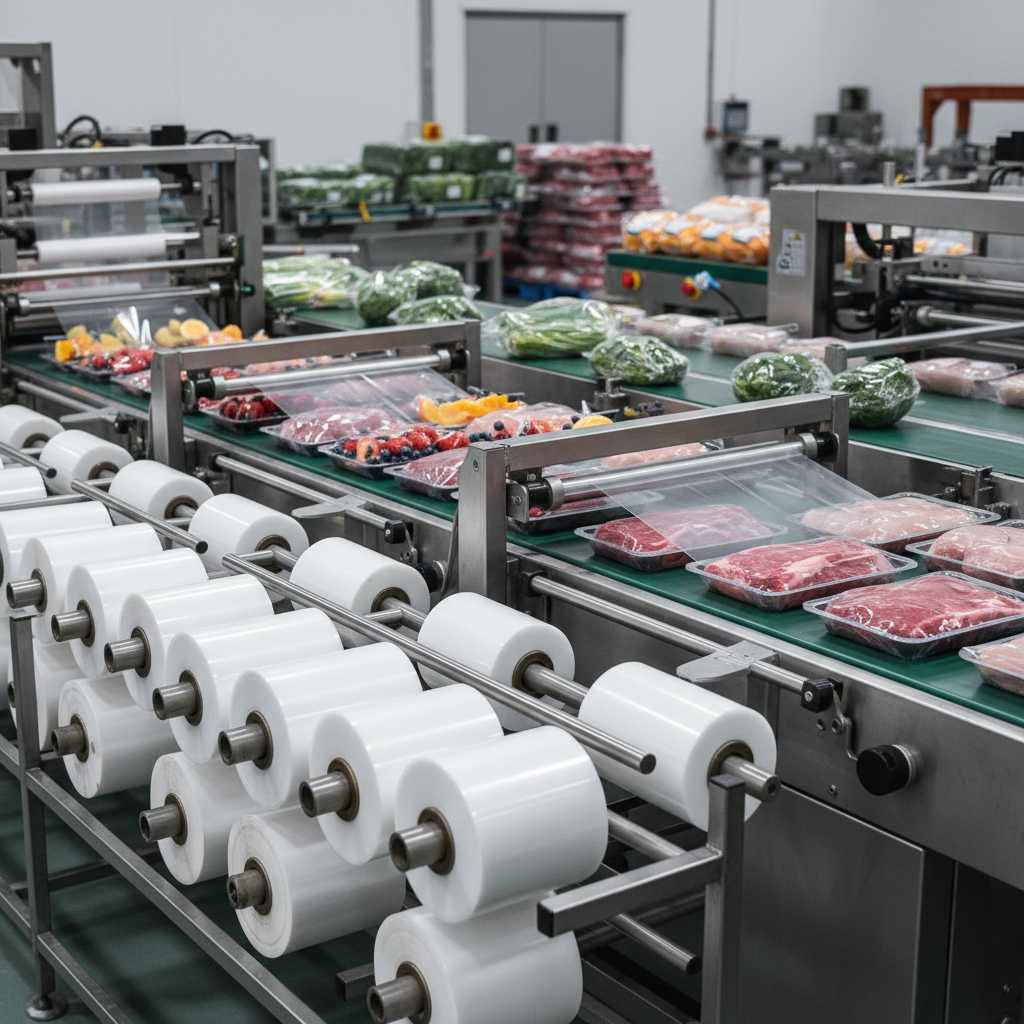
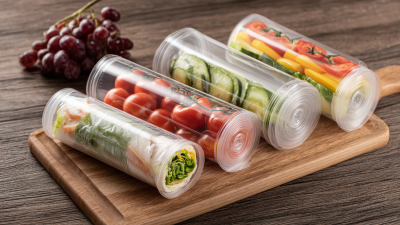
In today's rapidly evolving food industry, effective packaging solutions are paramount to ensuring product freshness and safety. One such innovative approach is the use of Plastic Film Rolls for Food Packaging, which has gained significant traction among manufacturers and retailers alike. These versatile films not only enhance the aesthetic appeal of food products but also significantly extend shelf life and prevent contamination.
The benefits of employing Plastic Film Rolls for Food Packaging are vast, catering to various needs such as moisture control, flexibility in packaging design, and ease of use. As consumers become increasingly health-conscious and demand higher quality standards in food products, the importance of reliable packaging solutions cannot be overstated. From preserving the natural flavors of perishable items to facilitating efficient transportation, Plastic Film Rolls are redefining how we think about food packaging.
In this article, we will explore the top ten benefits of using Plastic Film Rolls for Food Packaging. By highlighting these advantages, we aim to illuminate why adopting this form of packaging is not just a trend, but a smart investment for businesses focused on sustainability, efficiency, and ultimately, customer satisfaction.
Advantages of Plastic Film Rolls in Food Preservation and Safety
Plastic film rolls are increasingly becoming the go-to solution for food preservation due to their numerous advantages in maintaining food safety. One of the primary benefits is their ability to create a moisture barrier. This prevents dehydration and spoilage, ensuring that perishable items like fruits, vegetables, and meats stay fresh for longer periods. Additionally, these films can block oxygen from entering, which helps to inhibit the growth of aerobic bacteria and molds, significantly extending shelf life.
Another critical advantage is the ease of use and versatility of plastic film rolls. They can be easily cut to size and offer an excellent seal, which minimizes the risk of contamination. This is especially important in commercial food packaging, where hygiene standards are paramount. Furthermore, many plastic films are designed to be food-safe, resistant to harsh conditions, and can even be reused or recycled, aligning with sustainable packaging practices. Overall, the use of plastic film rolls not only enhances food preservation but also plays a vital role in ensuring food safety throughout the supply chain.
Top 10 Benefits of Using Plastic Film Rolls for Food Packaging Solutions
Enhancing Shelf Life: The Role of Plastic Film in Food Packaging
Plastic film rolls play a pivotal role in enhancing the shelf life of food products. By creating a barrier against moisture, air, and contaminants, these films significantly reduce the rate of spoilage. When food is properly wrapped in plastic film, the oxidation process is slowed down, thereby preserving flavor, texture, and nutritional value over a longer period. This is particularly beneficial for perishable items such as fruits, vegetables, and meats, where freshness is paramount for consumer satisfaction.
Additionally, the flexibility and versatility of plastic film allow it to conform to various shapes and sizes, ensuring a tight seal around food items. This customized packaging not only protects the food from external elements but also minimizes food waste, a growing concern in today's environmentally-conscious society. The ability to use transparent plastic films also enables consumers to visually assess the product without needing to open the packaging, which adds an extra layer of convenience. Overall, the use of plastic film rolls in food packaging is essential in maximizing shelf life while maintaining quality and reducing waste.
Cost-Effectiveness: Economic Benefits of Utilizing Plastic Film Rolls
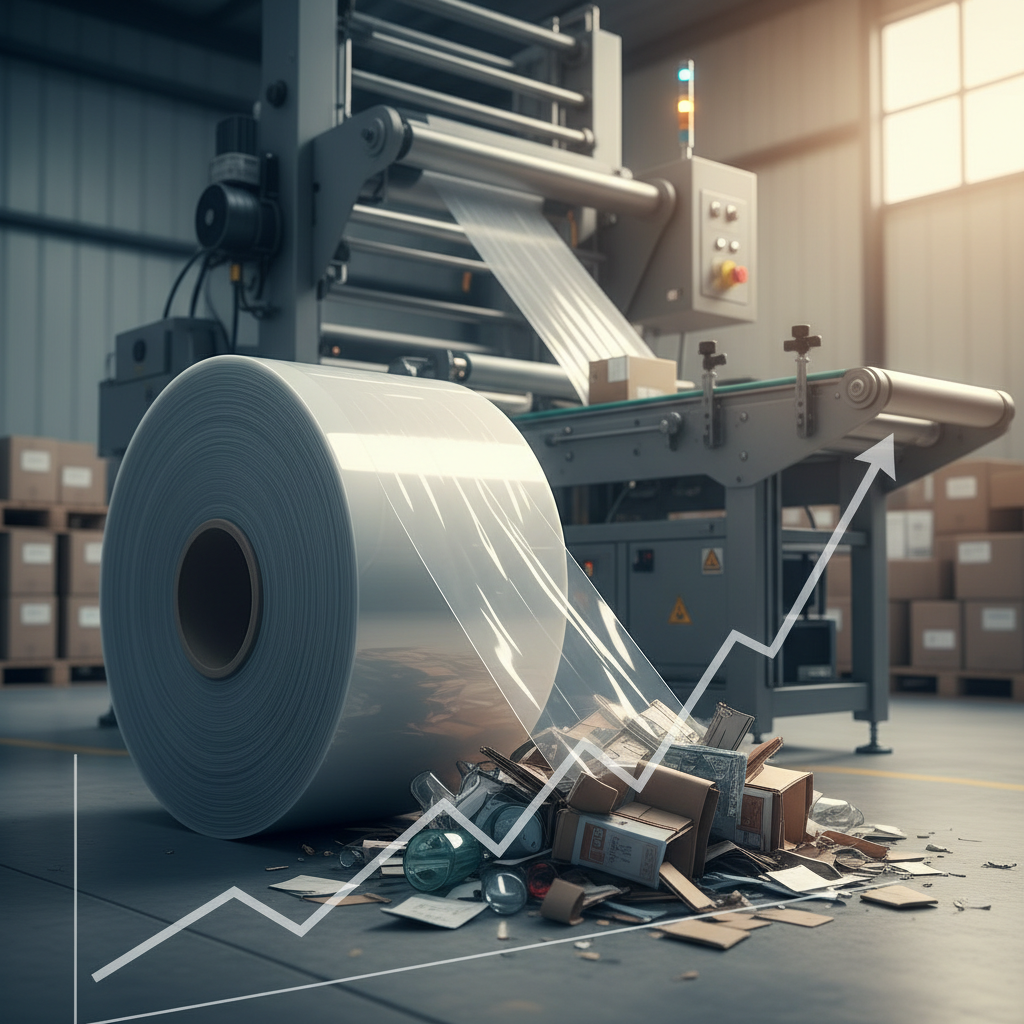
Cost-effectiveness is a crucial factor in the food packaging industry, and utilizing plastic film rolls presents significant economic advantages. According to the Flexible Packaging Association, flexible packaging, which includes plastic film rolls, can reduce packaging material usage by up to 30% compared to rigid solutions. This remarkable efficiency not only minimizes waste but also lowers material costs for manufacturers, thereby enhancing profit margins. The lightweight nature of plastic films further reduces shipping costs, providing an additional economic benefit to companies in the supply chain.
Moreover, the versatility of plastic film rolls enables food producers to package a wide variety of products while ensuring freshness and extending shelf life. A report by Markets and Markets states that the global flexible packaging market is projected to reach $400 billion by 2026, with a substantial portion attributed to the growing preference for cost-effective packaging solutions. By adopting plastic film rolls, food businesses can benefit from reduced packaging costs while maintaining high-quality standards, addressing consumer demands for sustainability and convenience in food products.
Sustainability Considerations: Eco-Friendly Options in Plastic Film Packaging
In recent years, sustainability has become a critical consideration in food packaging solutions, leading to the development of eco-friendly options in plastic film packaging. Many companies are now investing in biodegradable and compostable plastic films derived from renewable resources. These innovative materials not only cater to the growing demand for environmentally responsible packaging but also help reduce the carbon footprint associated with conventional plastic use. By opting for sustainable plastic films, food manufacturers can appeal to eco-conscious consumers while minimizing environmental impact.
Moreover, advancements in recycling technology have contributed to a more sustainable approach to plastic film packaging. Manufacturers are developing films that can be easily recycled alongside traditional plastic products, promoting a circular economy. Some companies are also utilizing post-consumer recycled (PCR) materials in their packaging solutions, further enhancing sustainability. By integrating these eco-friendly practices, the food packaging industry can significantly lessen the burden of plastic waste on the environment, establishing a balance between maintaining food safety and supporting sustainability initiatives.
Versatile Applications: Diverse Uses of Plastic Film in the Food Industry
Plastic film rolls have become indispensable in the food industry, offering a range of versatile applications that enhance food preservation and presentation. According to a report by Freedonia Group, the demand for flexible packaging, including plastic films, is projected to reach $250 billion by 2024. This surge is attributed to the growing trend of convenience foods and the need for longer shelf life, driving food manufacturers to adopt innovative packaging solutions.
In addition to extending shelf life, plastic films maintain food quality by providing moisture and oxygen barriers. A study from the Packaging Association noted that food packed in plastic film can retain freshness and flavor for significantly longer periods compared to traditional packaging. Industries utilize these films not only for wrapping sandwiches and salads but also for protecting bulk food items during transport. The ease with which these films can conform to various shapes and sizes makes them ideal for a wide array of products, from produce to meat, showcasing their adaptability in catering to diverse packaging needs in the ever-evolving food sector.
Top 10 Benefits of Using Plastic Film Rolls for Food Packaging Solutions
| Benefit |
Description |
Application Areas |
| Cost-Effective |
Reduces packaging costs while ensuring quality protection for food products. |
Bulk Food Packaging |
| Lightweight |
Easier to handle and transport, reducing shipping expenses. |
Snack Foods, Frozen Foods |
| Barrier Properties |
Provides excellent barrier against moisture, oxygen, and contaminants. |
Meat, Dairy Products |
| Versatile |
Suitable for a variety of food items due to its adaptable nature. |
Fruits, Vegetables, Baked Goods |
| Hygienic |
Prevents contamination and preserves food safety through sanitary packaging. |
Ready-to-Eat Meals, Condiments |
| Customizable |
Can be tailored in thickness, size, and design to meet specific needs. |
Catering Services, Food Delivery |
| Recyclable Options |
Many plastic films can be recycled, promoting sustainability. |
Cafés, Restaurants |
| Tamper-Evident |
Tamper-proof seals enhance security and consumer trust. |
Packaged Snacks, Beverages |
| Extended Shelf Life |
Helps maintain freshness and flavor, extending product lifespan. |
Processed Foods, Deli Meats |
| Aesthetic Appeal |
Enhances product presentation and attractiveness to consumers. |
Gourmet Foods, Gift Baskets |

 中国
中国