Best Bird Food Packaging Options for Keeping Your Pet Safe and Healthy
When it comes to caring for our feathered companions, finding the right bird food is essential, but the packaging it comes in is equally important. Bird food packaging serves not only as a means of delivering nutritious seeds and pellets but also plays a critical role in ensuring the health and safety of our pets. Proper packaging can help preserve the freshness and quality of the food, protecting it from spoilage and contamination.
In this guide, we will explore the various packaging options available for bird food, emphasizing the importance of choosing materials that are safe, eco-friendly, and effective in keeping the food free from pests and environmental hazards. From resealable bags to airtight containers, understanding the advantages and downsides of different packaging will empower pet owners to make informed choices that benefit both their birds and the environment. By prioritizing bird food packaging, we can contribute to the overall well-being of our pets and ensure they receive the best nutrition possible.

Importance of Packaging in Bird Food Safety and Freshness
The packaging of bird food plays a crucial role in ensuring both safety and freshness for your pet. Proper packaging not only protects the food from contamination but also preserves its nutritional value. Many factors can compromise bird food, such as exposure to air, moisture, and pests. Choosing airtight containers or vacuum-sealed bags can significantly reduce the risk of spoilage and maintain the integrity of the ingredients. This is essential for ensuring that your pet receives the essential vitamins and minerals they need for optimal health.
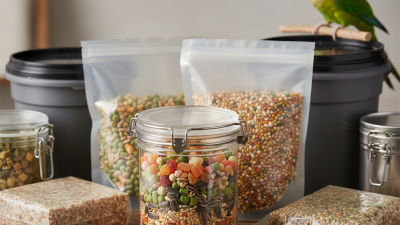
In addition to safeguarding against environmental factors, the design of the packaging can also impact convenience and usability. Resealable packages or containers with easy access can facilitate proper storage while keeping the food fresh for an extended period. Furthermore, transparent materials can offer visibility, allowing pet owners to monitor the amount of food remaining and check for any signs of spoilage. Ultimately, investing in high-quality packaging not only promotes the well-being of your birds but also enhances the overall feeding experience, ensuring that every meal is as nutritious and enjoyable as possible.
Best Bird Food Packaging Options for Keeping Your Pet Safe and Healthy
Common Contaminants in Bird Food and How Packaging Prevents Them
When choosing bird food, it's crucial to understand the potential contaminants that can compromise your pet's health. Common issues include mold, pests, and exposure to toxins, which can all arise from inadequate packaging. Poorly sealed bags might allow moisture to enter, creating a perfect environment for mold growth, while ineffective barriers can fail to keep out harmful insects that may be attracted to seeds and grains.
To mitigate these risks, opt for bird food packaged in resealable, airtight containers. This not only keeps moisture out but also aids in maintaining the freshness of the food, which is essential for a healthy diet. Another effective option is packaging that uses biodegradable materials with built-in pest deterrents, minimizing chemical exposure to your feathered friends.
**Tips:** Always check the packaging for signs of damage or tampering before purchase, and look for products that prioritize food safety in their material choices. Regularly transfer opened food into airtight storage bins to minimize risks further and extend the shelf life of the feed. Keeping your bird food properly stored is paramount in providing a safe and nutritious diet, ensuring your pet thrives.
Types of Bird Food Packaging: Materials and Their Benefits
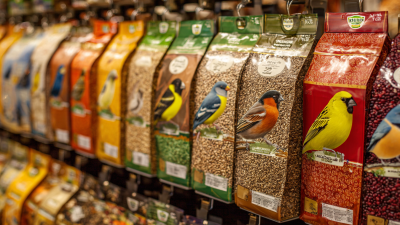
When it comes to selecting the right packaging for bird food, various materials offer distinct advantages that significantly contribute to the well-being of our feathered companions. Paper packaging is one of the most eco-friendly options available. According to industry reports, approximately 60% of consumers prefer biodegradable materials for pet products, including bird food. This natural option allows for breathability, helping to prevent moisture buildup, which can lead to mold and spoilage. However, it’s essential to ensure that the paper is treated to resist pests that could harm the contents.
Plastic packaging, while often seen as less sustainable, has its benefits as well. High-density polyethylene (HDPE) is a popular choice due to its durability and ability to prevent moisture and air from accessing the food, thus preserving freshness for a more extended period. A recent study revealed that products sealed in HDPE can maintain quality for up to 24 months, significantly extending shelf life. For pet owners, this means less waste and more savings in the long run.
Tips: When purchasing bird food, always look for packaging that includes resealable features. This can help maintain the freshness of the food after opening and protect it from environmental factors. Additionally, consider opting for products packaged in materials that are both safe for pets and environmentally friendly, as they contribute positively to the overall health of your pet and the planet.
Best Bird Food Packaging Options for Keeping Your Pet Safe and Healthy
| Packaging Material |
Benefits |
Environmental Impact |
Cost |
| Plastic |
Durable and moisture-resistant; keeps food fresh. |
Non-biodegradable; can pollute if not recycled. |
Low to medium. |
| Paper |
Biodegradable; good for shelf display. |
Environmentally friendly; renewable resource. |
Low. |
| Glass |
Non-reactive; preserves flavor and nutrition. |
Recyclable; can be reused multiple times. |
High. |
| Metal |
Extremely durable; airtight seal. |
Recyclable; less environmental impact when recycled. |
Medium. |
Best Practices for Storing Bird Food for Optimal Nutrition
Storing bird food properly is essential to ensure your feathered friends receive optimal nutrition and maintain their health. One of the key practices is to keep the food in a cool, dry place, away from direct sunlight and humidity. A temperature range of 70-80 degrees Fahrenheit is ideal for preserving the freshness and nutritional quality of seeds and pellets. Additionally, using airtight containers made from food-safe materials can significantly reduce the risk of spoilage and prevent pests from accessing the food.
Regularly checking the stored bird food for signs of spoilage, such as mold or an off-putting odor, is crucial. If you notice these signs, it's advisable to discard the affected food immediately. It's also beneficial to rotate your stock, using older food first to minimize waste and ensure your pet's diet remains fresh and healthy. Lastly, considering the type of bird you have can inform your storage practices; different species may have specific dietary needs that can affect how you store their food. By following these best practices, you can help maintain the quality of your bird's diet and contribute to their overall well-being.
Eco-Friendly Packaging Options for Bird Food Sustainability
Eco-friendly packaging options have become increasingly important in the bird food industry as consumers become more conscious of sustainability practices. Research indicates that packaging accounts for a significant portion of environmental waste, with estimates suggesting that up to 30% of the waste generated globally comes from packaging materials. By opting for eco-friendly alternatives, manufacturers can significantly reduce their carbon footprint, leading to a healthier planet for both birds and their owners.
Biodegradable materials, such as compostable films and recycled paper, are gaining traction as viable packaging options that break down more quickly and pose less risk to wildlife if they end up in the environment.
Moreover, studies show that using sustainable packaging can positively impact consumer behavior, with up to 70% of pet owners expressing a preference for brands that prioritize eco-friendly practices. This shift is not only beneficial for the environment but also enhances brand loyalty and trust among consumers who are increasingly seeking products that align with their values. Materials like plant-based plastics and recyclable containers not only contribute to waste reduction but also help stimulate a market that values sustainability. As the demand for eco-friendly bird food packaging grows, industry players are encouraged to innovate and incorporate these options into their product lines, ultimately promoting a healthier lifestyle for pets and contributing to long-term environmental resilience.

 中国
中国