2026 Best Frozen Food Packaging Options to Keep Food Fresh?
In today's fast-paced world, frozen food packaging plays a critical role in maintaining food quality. With the increase in demand for convenient meal options, choosing the right packaging has never been more important. Consumers expect their frozen meals to stay fresh and delicious. However, not all packaging solutions are created equal.
While some materials effectively preserve flavor and texture, others can lead to freezer burn or spoilage. This inconsistency can be frustrating for both manufacturers and customers. It's clear that innovation in frozen food packaging is necessary to ensure satisfaction. We must ask: Are we using the best methods available?
The 2026 landscape promises exciting developments in frozen food packaging. As sustainability becomes a priority, eco-friendly options are emerging. Yet, there's still room for improvement in protecting food integrity. By carefully examining these options, we can elevate our frozen meals and meet consumer expectations effectively.
2026 Trends in Frozen Food Packaging for Enhanced Freshness
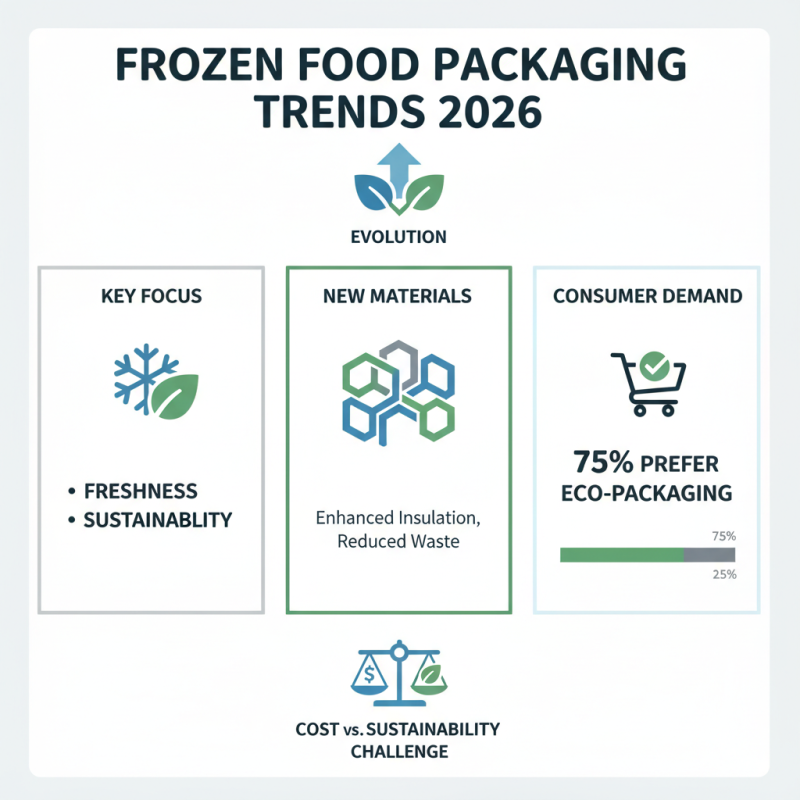
The frozen food industry is evolving rapidly. In 2026, packaging trends emphasize freshness and sustainability. New materials are emerging, designed to enhance insulation and reduce waste. Reports indicate that 75% of consumers prefer environmentally friendly packaging. This shift raises questions about balancing cost and sustainability in production.
Smart packaging technologies are gaining traction. They include sensors that monitor temperature and humidity. These innovations can extend shelf life. According to a recent study, smart packaging can reduce spoilage by up to 30%. However, the high cost of implementation still challenges many manufacturers.
Consumer awareness is driving these changes. Many are willing to pay more for better quality and safety. Reports reveal that 60% of shoppers read labels for freshness indicators. This behavior suggests a demand for transparency. While advancements are promising, not all products meet these high standards yet. The industry must face these imperfections and continue to improve.
Innovative Materials for Sustainable Frozen Food Packaging Solutions
In recent years, the need for sustainability in frozen food packaging has become increasingly urgent. Consumers now demand materials that do not harm the environment. Innovative solutions are emerging to meet these demands. Biodegradable plastics made from plant-based sources show promise. These materials break down more easily than traditional plastics.
Reusable packaging has also gained attention. Containers designed for multiple uses reduce waste significantly. They are often made from durable materials like glass or high-quality polymers. However, they require consumers to adapt their habits, which can be challenging. Changing mindsets is critical in making reuse a standard practice.
Additionally, advances in insulation technologies help maintain food freshness. Insulated liners made from recycled materials keep temperature fluctuations at bay. This strategy ensures that food remains safe and delicious during transport. Companies must invest in these innovations while remaining mindful of costs. It's a tricky balance. The future of frozen food packaging hinges on our ability to innovate sustainably.
Impact of Packaging Design on Frozen Food Quality and Shelf Life
Packaging design plays a crucial role in maintaining the quality and shelf life of frozen foods. Research indicates that effective packaging can reduce moisture loss by up to 50%. This is significant because moisture loss directly affects food texture and flavor. The use of innovative materials, such as barrier films, can enhance product longevity. These materials limit exposure to air and light, which can degrade food quality.
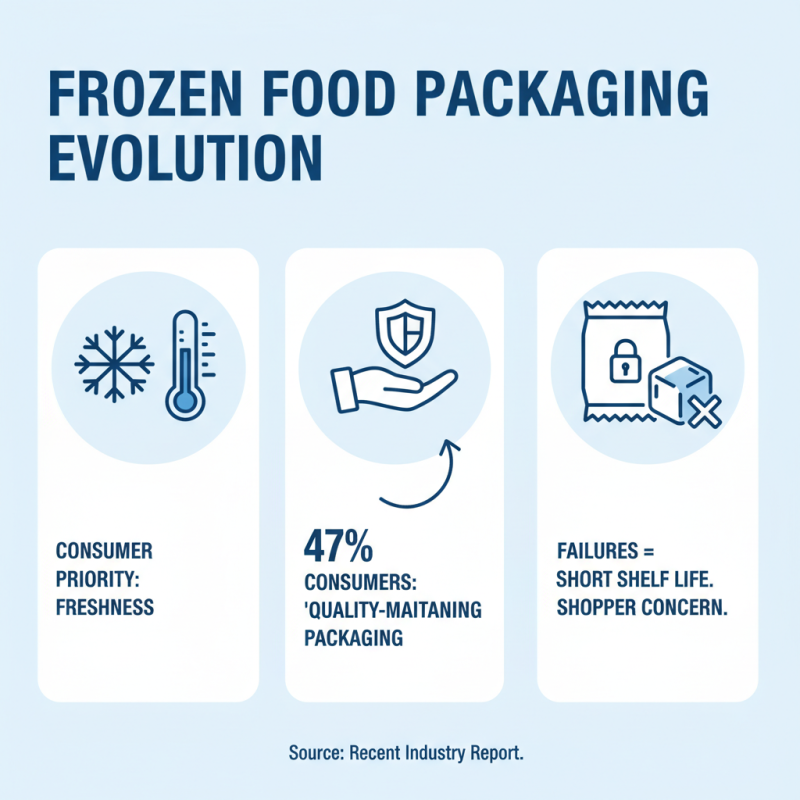
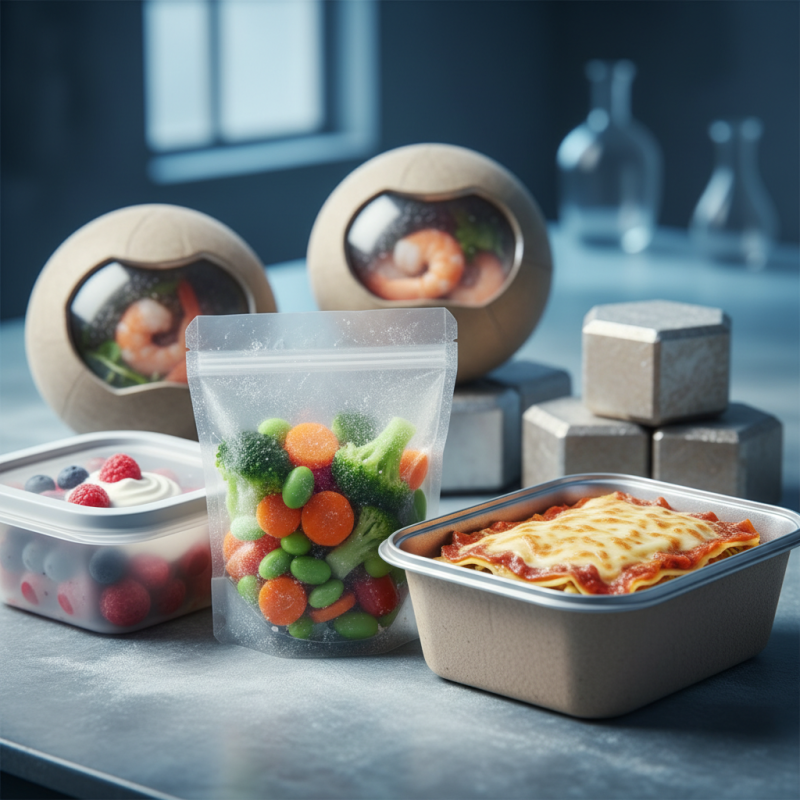
A 2022 industry report revealed that over 45% of consumers are concerned about the freshness of frozen products. This concern drives the demand for packaging that not only protects but also showcases the product. Transparent windows or vibrant graphics can attract customers while still focusing on preservation. However, it is essential to balance aesthetics with functionality. Some designs may look appealing but fail to provide adequate protection.
Despite advancements, some packaging still falls short. Certain materials may not be recyclable, leading to environmental concerns. Others may not effectively seal, allowing for freezer burn. This highlights the need for continuous innovation and improvement in frozen food packaging. As consumer preferences evolve, packaging solutions must adapt to ensure both quality and sustainability.
Evaluating Industry Standards for Frozen Food Preservation Techniques
The frozen food industry faces constant challenges in preserving quality. According to the
Food Science Journal, improper packaging can compromise freshness.
The crucial aspect is maintaining optimal temperature.
This minimizes ice crystal formation, which damages cell structure.
Recent studies show that 30% of frozen foods suffer quality loss due to inadequate packaging.
Consumers often overlook these details. For instance, many still prefer plastic bags over
vacuum-sealed options. However, vacuum packaging significantly reduces freezer burn.
Industry standards emphasize using suitable materials that resist moisture and air.
Not all materials deliver the same performance. A report from the
Institute of Food Technologists indicates that
polyethylene and foil laminates are top choices.
These materials offer a balance between cost and efficacy. Testing reveals that not every package can meet these standards.
As the industry evolves, the need for innovative solutions grows.
Those who invest in research and development may lead the way.

 中国
中国