Best Pet Dry Food Packaging Bags for Preservation and Freshness?
Pet Dry Food Packaging Bags play a crucial role in maintaining the quality of pet food. According to industry reports, approximately 32% of pet owners express concerns about food freshness. Proper packaging can significantly extend the shelf life of dry food products.
Studies indicate that the right materials can reduce moisture levels by up to 80%. This protection keeps foods crisp and prevents spoilage. However, many brands still use inadequate packaging that fails to meet these standards. As a result, clients often face issues with stale products.
The choice of Pet Dry Food Packaging Bags is not just a convenience; it’s a necessity. Many bags lack proper seals and barriers. This oversight invites air and moisture, impacting food quality. Consumers deserve better. We need to evaluate and improve our packaging solutions.
Types of Pet Dry Food Packaging Materials for Freshness
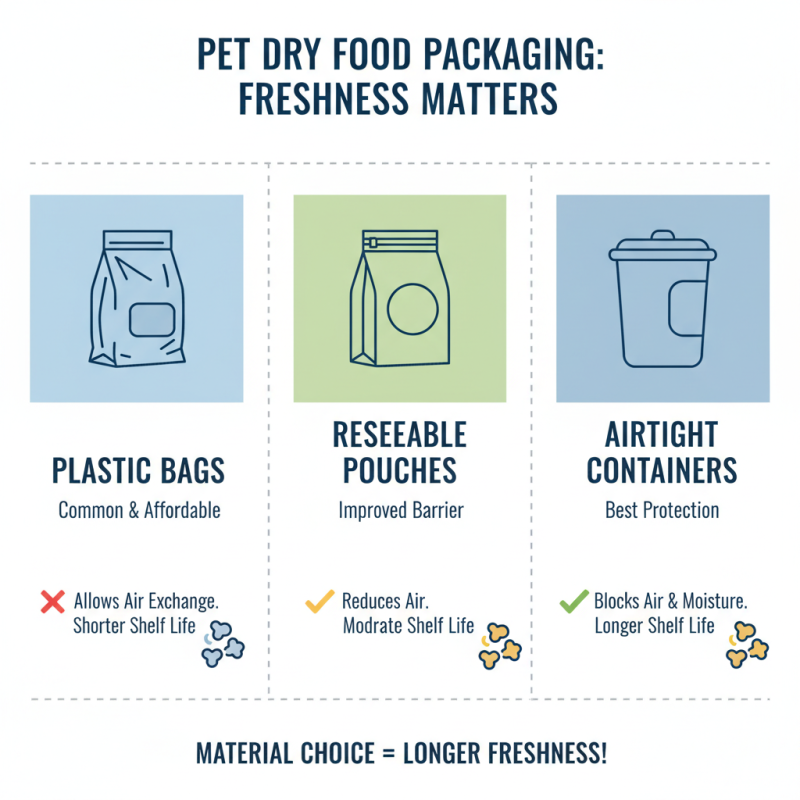
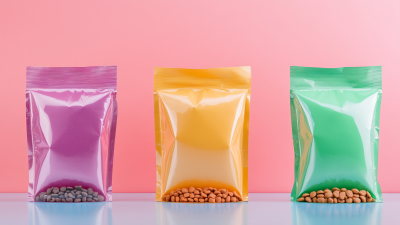
When it comes to pet dry food packaging, material selection is crucial for preservation. Various packaging types can influence the freshness of pet food. Plastic bags are commonly used due to their affordability and lightweight nature. However, they often allow air exchange and can lead to a shorter shelf life.
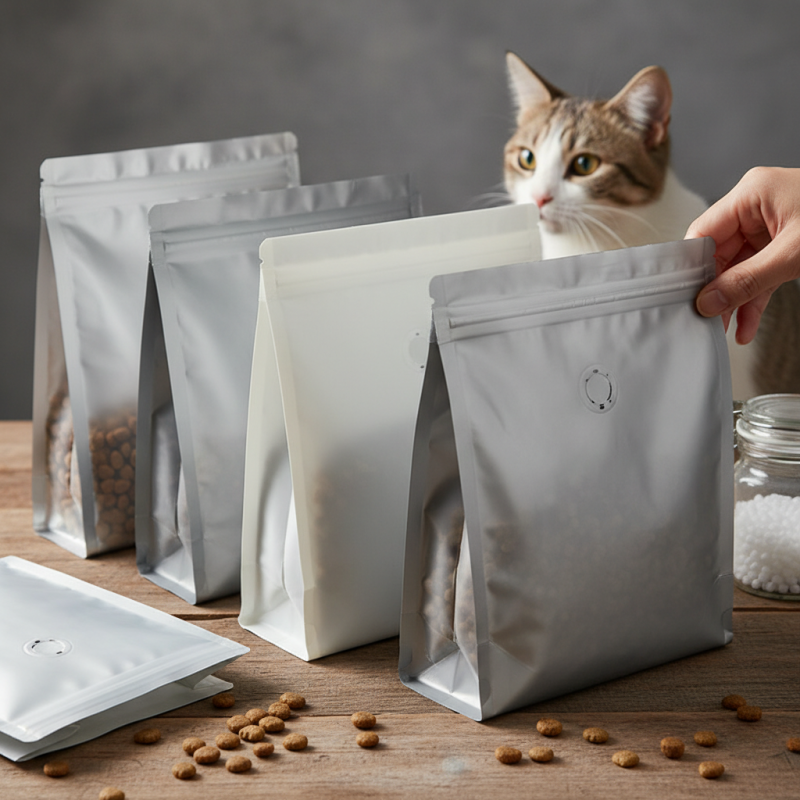
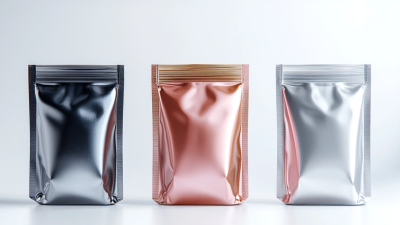
Aluminum foil bags offer better protection against moisture and light. They are often lined to enhance barrier properties. These bags can keep the food fresher for longer periods. Many pet owners might not consider this factor when choosing a food brand. Resealable options are also popular, but they can lose some effectiveness after repeated openings.
Paper bags might be environmentally friendly, but they tend to absorb moisture. This quality can compromise the food inside. Pet owners should assess their needs carefully. A good choice protects food from pests and external elements. Some packaging might look good, but it may not perform well. Prioritizing freshness can make a significant difference in a pet's health.
Benefits of Resealable Packaging for Pet Food Preservation
Resealable packaging plays a crucial role in pet food preservation. According to an industry report, over 80% of pet owners report concerns about food freshness. Proper sealing prevents moisture and air from compromising the quality of pet food. When food is exposed, it can lose nutrients and flavor quickly. Resealable bags ensure that every serving maintains its intended quality.
Tips: Always check the seal after opening. Adjusting the closure can make a significant difference. Resealable bags can also help in portion control, reducing overfeeding. This can help maintain your pet's health and save on costs.
Many pet owners overlook how packaging affects shelf life. A 2022 survey revealed that nearly 65% of surveyed customers would prefer a packaging option that extends freshness. Some bags even include oxygen absorbers to prolong the food’s viability. Yet, not all resealable bags are equal, so choosing high-quality packaging is essential. You should regularly inspect the food for signs of spoilage, even with resealable options.
How Vacuum-Sealed Bags Enhance Pet Food Shelf Life
Vacuum-sealed bags are an excellent choice for pet food preservation. These bags create an airtight environment, minimizing exposure to air. By limiting oxygen contact, the food stays fresher longer. Pet owners often notice less spoilage. This is crucial for maintaining nutritional value.
Many pet foods contain fats that can go rancid easily. When stored in traditional bags, these fats may degrade quickly. Vacuum-sealed packaging helps prevent this, allowing pets to enjoy nutritious meals without worrying about quality. Additionally, it keeps out moisture and pests, crucial for extended freshness.
However, not all pet owners use these bags properly. Sometimes, bags are opened and not resealed tightly. This can lead to air leaking back in. Pet food can spoil faster than expected in these cases. Understanding how to use vacuum-sealed bags is vital for the best results. Proper usage enhances shelf life and ensures pets are getting the best nutrition possible.
The Role of Barrier Properties in Pet Food Packaging
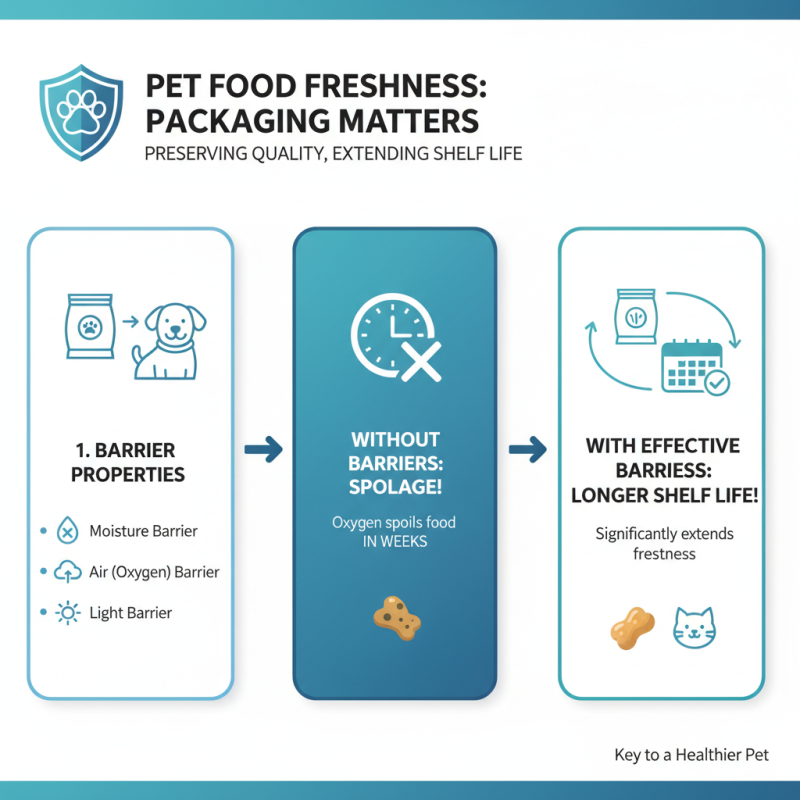
When it comes to pet food, freshness is key. Packaging plays a crucial role in preserving the quality of food. Barrier properties in packaging help prevent moisture, air, and light from compromising pet food. According to research, oxygen can spoil food within weeks. In contrast, effective barrier materials can extend shelf life significantly.
Choosing the right packaging is essential. For instance, multi-layered bags provide excellent moisture control. This is vital, as 70% of pet owners worry about the freshness of their pet's food. Tips? Look for bags with zip locks or resealable features. Always store opened bags in a cool, dry place.
Additionally, packaging impacts nutrients. Some materials can degrade vitamins over time. This means a pet’s diet might lack essential nutrients. Watch out for damages in bags. Small tears can let air in, spoiling the contents faster. Regular checks can help maintain food quality and freshness.
Best Practices for Storing Pet Food Bags to Maintain Freshness
Storing pet food properly is crucial for freshness. Many people leave open bags in the pantry. This exposes the food to air and moisture. As a result, nutrients degrade quickly. To avoid this, consider using airtight containers. These can help seal in freshness and ward off pests. Label your containers with the date of purchase. This ensures you use older food first.
Another common mistake is ignoring the environment. Placing pet food in a damp area can lead to mold. Instead, choose a cool, dry spot away from sunlight. The kitchen or laundry room might seem convenient. However, these areas can fluctuate in temperature. Also, check the packaging regularly for any damage. Dents or tears can compromise the bag's integrity.
Some pet owners simply forget about storage. They buy large bags but don’t reconsider usage. Using smaller amounts more frequently can be beneficial. Resealable bags can also help in managing portions. This helps to keep the food fresh while maintaining ease of access. Mindfully storing pet food involves consistent habits and small changes. These adjustments can make a significant impact on your pet's health.

 中国
中国