How to Choose the Right Cockatiel Food Packaging for Freshness and Quality
Choosing the right packaging for cockatiel food is crucial to maintaining its freshness and quality, ensuring our feathered friends receive the best nutrition. According to Dr. Emily Clark, an avian nutritionist with over a decade of experience in the field, "The integrity of bird food packaging directly impacts the longevity and palatability of the product." This insight underscores the importance of selecting appropriate materials and designs that not only protect the food from external factors but also preserve its essential nutrients.
In a market filled with diverse options, understanding the various types of cockatiel food packaging can help pet owners make informed decisions. From resealable bags to vacuum-sealed containers, each packaging type offers unique benefits that affect how well the food stays fresh and retains its quality over time. As owners, it's our responsibility to ensure we provide our cockatiels with food that remains appealing and beneficial for their health.
Furthermore, the right packaging also contributes to the convenience of storage and usage. Properly designed cockatiel food packaging allows for easier pouring and prevents contamination, ensuring that every serving is just as nutritious as the last. Ultimately, making the right choice in packaging means not only caring for our pets but also investing in their overall wellbeing and happiness.
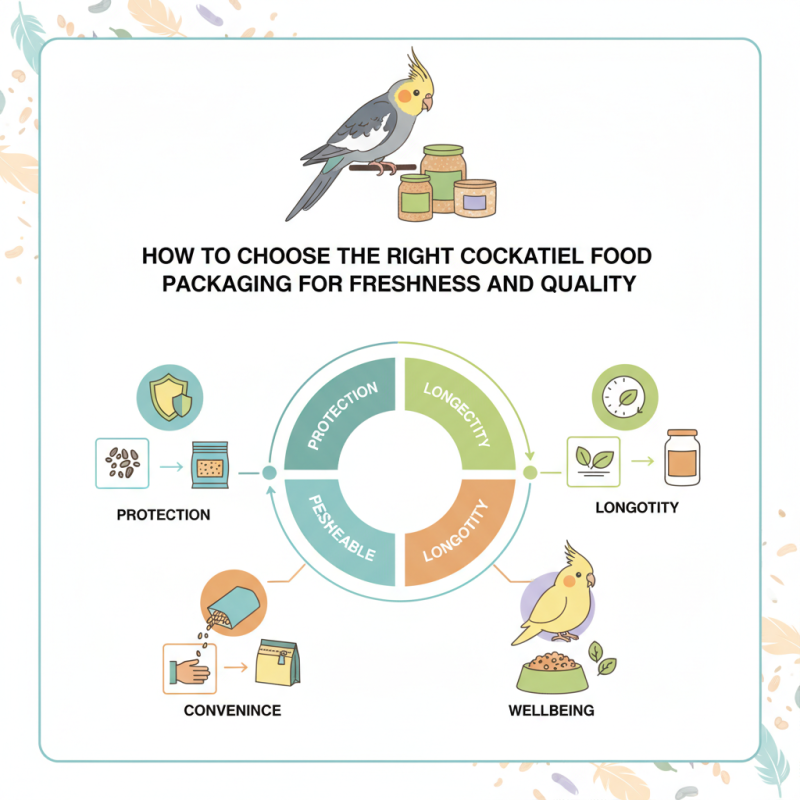
Understanding the Importance of Quality in Cockatiel Food Packaging
When it comes to providing a healthy diet for cockatiels, the quality of the food packaging plays a vital role in maintaining freshness and nutritional value. A study published in the Journal of Avian Medicine and Surgery highlights that exposure to air, light, and moisture can significantly degrade the quality of bird food within weeks. High-quality packaging that is airtight and opaque can help prevent these factors from compromising the food's integrity, ensuring that cockatiels receive the optimal balance of vitamins and minerals necessary for their health.
Furthermore, the Association of Avian Veterinarians reports that about 30% of pet owners do not store their birds' food correctly, leading to an increase in spoilage and waste. Selecting appropriate packaging can mitigate these risks by providing resealable options that preserve freshness even after opening. This not only enhances the shelf life of the food but also ensures that cockatiels get the essential nutrients they need daily, ultimately contributing to their overall well-being and longevity. Thus, understanding the significance of quality packaging is crucial for cockatiel owners who prioritize their pets' health.
Types of Packaging Materials and Their Impact on Freshness
When selecting the right food packaging for cockatiels, the choice of materials plays a crucial role in preserving freshness and quality.
Common packaging options include plastic bags, resealable pouches, and glass containers.
Plastic bags are lightweight and often cost-effective, but they may not provide the same level of protection against air and moisture as sturdier options.
Resealable pouches offer a good compromise, allowing for easy access while also minimizing exposure to environmental elements that can degrade food quality over time.
Glass containers, on the other hand, are excellent for long-term storage due to their airtight seals and resistance to moisture.
They are often preferred for high-quality bird food as they prevent the absorption of odors and protect against light, which can cause nutrient loss.
However, their weight and fragility may limit their practicality for some bird owners.
Ultimately, understanding the characteristics of different packaging materials helps in making an informed choice that ensures the food remains
fresh and nutritious for your cockatiel.
How to Read Labels for Ingredient Quality and Freshness Indicators
When selecting cockatiel food packaging, it’s crucial to closely examine the labels to ensure ingredient quality and identify freshness indicators. Look for clear, detailed ingredient lists that highlight the primary components of the food, such as seeds, grains, and vegetables. Ingredients should be listed in descending order by weight, so you can easily determine what makes up the bulk of the feed. Keep an eye out for specific food items rather than vague terms like "animal by-products" or "grains." This transparency not only signifies quality but also suggests that the manufacturer values your bird's health.
Tips: Always choose food with the least amount of preservatives and artificial additives. These can compromise your cockatiel’s health and the food's overall nutritional value. Opt for organic or all-natural options when possible, as they are less likely to contain harmful chemicals.
Another key element to check is the packaging date and expiration date. Freshness is critical in bird food to maintain nutritional content. Food that has been sitting on the shelf for months may not provide the health benefits your cockatiel needs. Choose products with recent packaging dates to ensure your pet receives the best quality nutrition.
Tips: Implement a rotation system for your cockatiel’s food to ensure the oldest packages are consumed first. This practice not only helps maintain freshness but also reduces waste. Always store the food in a cool, dry place to preserve its quality longer.
How to Choose the Right Cockatiel Food Packaging for Freshness and Quality
| Packaging Type |
Freshness Indicator |
Ingredient Quality |
Shelf Life (Months) |
| Resealable Bag |
Oxygen Absorbers Included |
Natural Ingredients |
6 |
| Tinned Food |
Expiry Date Clearly Marked |
High-Quality Grains |
24 |
| Glass Jar |
Vacuum Sealed |
Organic Ingredients |
12 |
| Plastic Container |
Refrigeration Recommended |
Added Vitamins and Minerals |
8 |
| Cardboard Box |
Check for Moisture Indicators |
Non-GMO Ingredients |
4 |
Tips for Storing Cockatiel Food to Maintain Its Freshness
When it comes to storing cockatiel food, maintaining freshness is a key factor in ensuring your pet's health and enjoyment. First and foremost, transfer any bulk food into airtight containers. This helps to prevent exposure to air, moisture, and light, which can deteriorate the quality of the food over time. Glass jars or high-quality plastic containers with tight-sealing lids are excellent choices for preserving your cockatiel’s diet.
In addition to using proper containers, it is crucial to store the food in a cool, dry place. Heat and humidity can accelerate spoilage, so opt for a pantry or a dedicated storage area that remains relatively stable in temperature. Avoiding storage areas near stoves or windows can help keep the food fresher for longer. It's also beneficial to label containers with the purchase date and use-by date, ensuring you always rotate older stock and feed your cockatiel the freshest food possible.
Lastly, consider storing smaller portions of food to minimize waste. Instead of keeping a large supply on hand, dividing the food into smaller amounts can reduce the likelihood of spoilage. This practice not only maintains freshness but also allows you to monitor your cockatiel’s eating habits more effectively, ensuring they always have access to high-quality food.
Storage Types for Cockatiel Food Freshness
Choosing Eco-Friendly Packaging Options for Sustainable Feeding
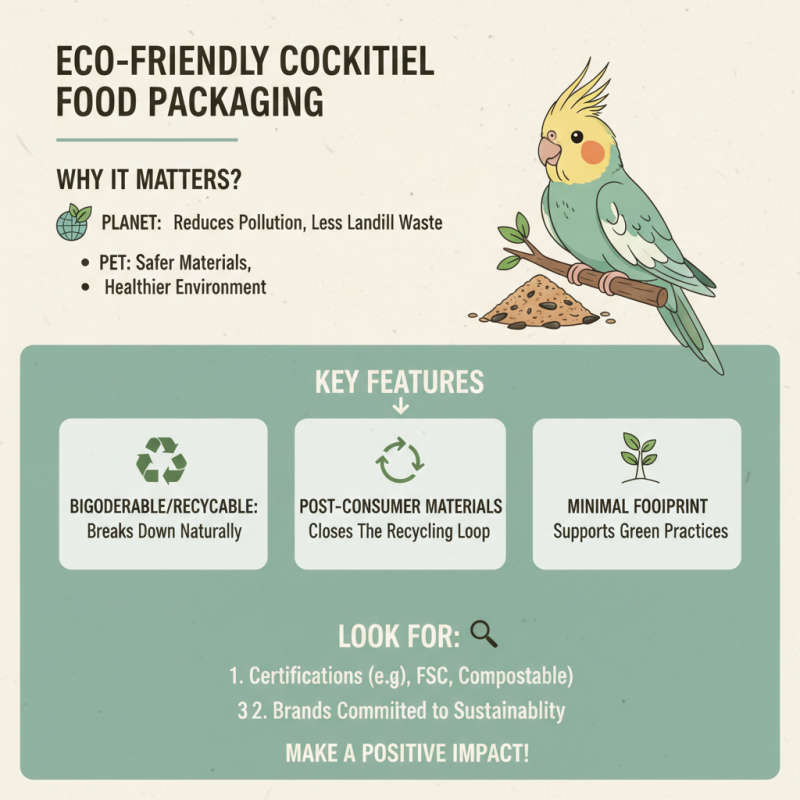
When selecting food packaging for your cockatiel, considering eco-friendly options can significantly impact both the environment and the health of your pet. Traditional packaging often ends up in landfills and contributes to pollution, while sustainable choices promote greener practices. Look for biodegradable or recyclable materials that reduce waste and have minimal environmental footprints. Additionally, some brands offer packaging made from post-consumer materials, helping to close the recycling loop and support a circular economy.
Tips: When shopping for sustainable food packaging, pay attention to labels that indicate eco-friendliness. Also, consider bulk purchasing options to minimize excess packaging and promote sustainability. This approach not only saves you money in the long run but also decreases the amount of plastic used.
It’s essential to ensure that your eco-friendly packaging also maintains the quality and freshness of the food. Packaging should be airtight and moisture-resistant to prevent spoilage. Opt for materials that provide protection against light, as exposure can degrade the nutritional content of the food. By choosing the right packaging, you help keep your cockatiel's food fresh while making a positive impact on the planet.

 中国
中国