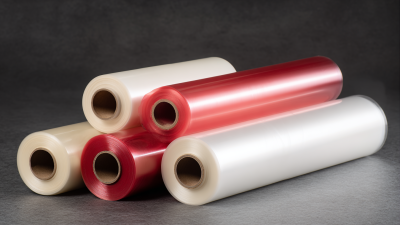
How to Choose the Best Food Packing Plastic Roll for Your Needs?
When selecting the right Food Packing Plastic Roll, understanding your specific needs is crucial. According to a recent report from the Packaging Industry Association, over 60% of businesses prioritize packaging that enhances product shelf life and safety. An expert in the field, Dr. Sarah Johnson, notes, "The right plastic roll can significantly impact food preservation and reduce waste."
Choosing a Food Packing Plastic Roll involves considering materials, thickness, and intended use. For instance, rolls made from polyethylene are flexible and durable, ideal for various food types. However, not all rolls cater to every food item. Many companies overlook this detail, leading to product spoilage. Ensuring the right choice can prevent this wasteful scenario.
The market offers various options, but not all are created equal. Brands often claim superior quality, yet only a few provide the necessary certifications for food safety. It's essential to scrutinize labels and supplier claims carefully. Though the selection process requires time and attention, investing in the best Food Packing Plastic Roll ultimately pays off in quality and customer satisfaction.

Understanding the Different Types of Food Packing Plastic Rolls
When selecting a food packing plastic roll, understanding the various types is essential. There are several key categories, including polyethylene, polyvinyl chloride, and low-density polyethylene. Each material has specific properties that affect food preservation and safety. For instance, polyethylene is commonly used due to its durability and resistance to moisture. According to a 2021 industry report, polyethylene accounted for over 40% of the food packaging market.
Tip: Always check for BPA-free options. Some materials may contain harmful chemicals that can leach into food. It's crucial to ensure the safety of what you package.
Polyvinyl chloride (PVC) is known for its flexibility and strength, but it can pose health risks when used for food packaging. A recent study highlighted that consumers increasingly favor safer plastic alternatives, pushing manufacturers to innovate. Also, low-density polyethylene is often chosen for its lightweight and cost-effectiveness. However, it may not provide the same level of barrier protection as others.
Tip: Consider the intended use. A thicker roll may be necessary for freezing, while lighter options suffice for short-term storage. Choosing the wrong type can lead to spoilage and waste.
Comparison of Different Types of Food Packing Plastic Rolls
Evaluating Material Properties for Food Safety and Durability
When selecting a food packing plastic roll, material properties play a crucial role in ensuring safety and durability. Common materials include polyethylene and polypropylene. These plastics are widely used due to their resistance to moisture, chemicals, and temperature variations. However, not all plastics are created equal. Some may leach harmful substances into food when heated. Evaluating these properties is essential for safe food storage.
Durability is equally important. Rolls that are too thin may tear easily, causing spillages or contamination. A thicker roll generally offers better strength and protection. Consider the thickness measured in microns. For example, a 100-micron roll might be more suitable for heavy-duty use. Think carefully about your food items. Fragile produce requires specific packaging properties that thicker plastics might not offer.
It's worth noting that not all rolls are compatible with all food types. Certain plastics perform poorly with fats or acidic foods, leading to potential safety issues. Reflect on the foods you typically store. This reflection can guide your choice in materials. Look for flexibility in your options to account for various food needs. Choosing the right plastic roll is about balancing safety, durability, and functionality.
Selecting the Right Size and Thickness for Your Packaging Needs
Choosing the right size and thickness for food packing plastic rolls can feel overwhelming. Start by assessing your specific needs. Are you packaging meats, vegetables, or baked goods? Each type of food has different requirements. For example, thicker rolls are often better for meats, offering a durable barrier against moisture and air.
The size of the roll also matters. Consider how much food you typically package. If you’re working with large quantities, opt for wider rolls. A wider roll allows for larger items and reduces waste. However, smaller operations may find narrower rolls sufficient. It’s a balance between efficiency and storage.
Thickness can be tricky. A common mistake is underestimating how much protection you need. Thinner films may save money initially but can lead to spoilage. Check for visible signs of wear or punctures after use. If you find that your current choice isn’t maintaining food quality, it’s time to reassess your options. Make sure to evaluate both size and thickness regularly to ensure optimal results in your packaging process.
Analyzing Cost-Effectiveness and Purchase Options in the Market
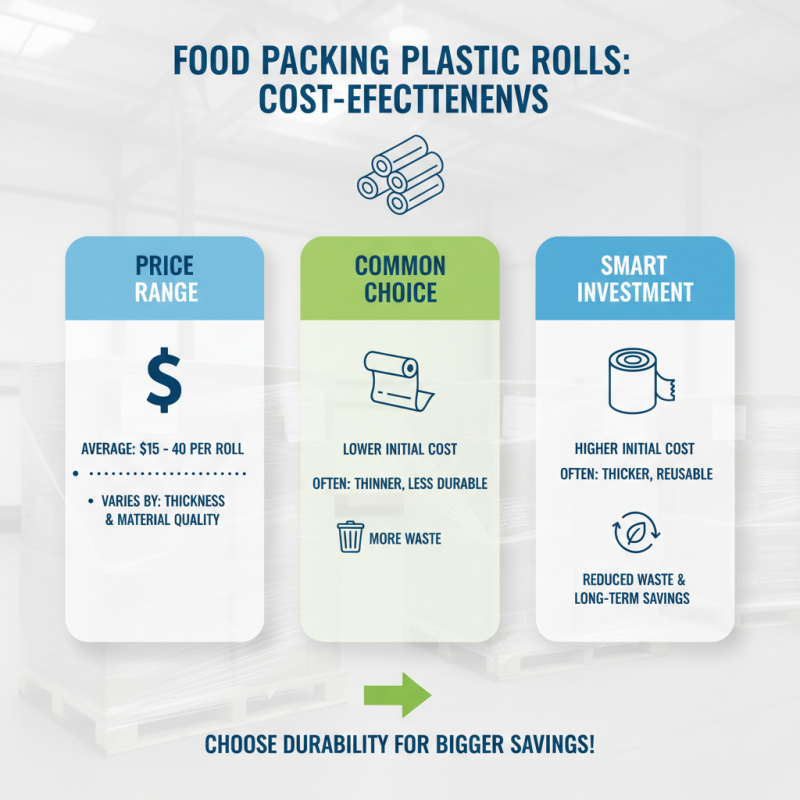
When it comes to food packing plastic rolls, understanding cost-effectiveness is crucial. A recent industry report indicates that the average price of these rolls ranges from $15 to $40 per roll. This pricing can vary significantly based on thickness and material quality. Many consumers often overlook the long-term savings of investing in thicker, reusable rolls that reduce wastage. The initial cost may be higher, but with increased durability, they often pay off.
Tip: Always compare the cost per yard rather than just the roll price. It helps identify the best value for your needs.
Furthermore, purchasing options are diverse. Wholesale suppliers often provide better prices, with savings that can reach up to 30% compared to retail. However, the trade-off may involve larger quantities than needed. This poses a challenge for smaller businesses. Many may purchase more than they use, resulting in waste.
Tip: Consider buying smaller packs if you are unsure about your usage. It may help prevent excess and save money in the long run.
Investing wisely in food packing plastic rolls can greatly influence your budget. Analyzing your typical use and comparing various options is essential.
Sustainability Considerations: Eco-Friendly Packaging Solutions
When choosing food packing plastic rolls, sustainability should be a priority. Eco-friendly packaging options can significantly reduce environmental impact. Look for materials made from recycled content. This choice often ensures less waste ends up in landfills.
Consider biodegradable plastics. They break down more easily than traditional options. However, keep in mind that not all biodegradable plastics will decompose in a landfill. They need specific conditions to break down properly.
Tips: Check if the packaging is certified as compostable. This certification indicates it meets specific standards. Also, think about multi-use rolls. They help reduce waste since you use them multiple times before disposal. Remember, not every plastic is created equally.
Think of the lifecycle of your packaging. A roll that looks good now may not be the best option long-term. Reflect on your usage. Are you throwing away excess packaging? Sustainable choices often require extra thought but can lead to a more responsible future.
How to Choose the Best Food Packing Plastic Roll for Your Needs? - Sustainability Considerations: Eco-Friendly Packaging Solutions
| Material Type |
Biodegradability |
Thickness (microns) |
Food Safety Approved |
Recyclable |
Average Cost per Roll |
| PLA (Polylactic Acid) |
Yes |
30-100 |
Yes |
Yes |
$15.00 |
| PE (Polyethylene) |
No |
50-120 |
Yes |
Yes |
$10.00 |
| CPP (Cast Polypropylene) |
No |
45-90 |
Yes |
Yes |
$12.00 |
| PBAT (Polybutylene Adipate Terephthalate) |
Yes |
20-80 |
Yes |
Yes |
$18.00 |

 中国
中国