How to Choose the Right Food Packaging Bag for Your Products?
Choosing the right Food Packaging Bag is vital for product success. According to Sarah Thompson, a leading expert in food packaging, "Quality packaging enhances product appeal and ensures safety." This statement highlights the importance of selecting appropriate materials.
Many businesses overlook key factors when selecting Food Packaging Bags. They often focus solely on cost rather than functionality. Choosing biodegradable options can significantly impact sustainability. However, it can be easy to get lost in the myriad of choices available.
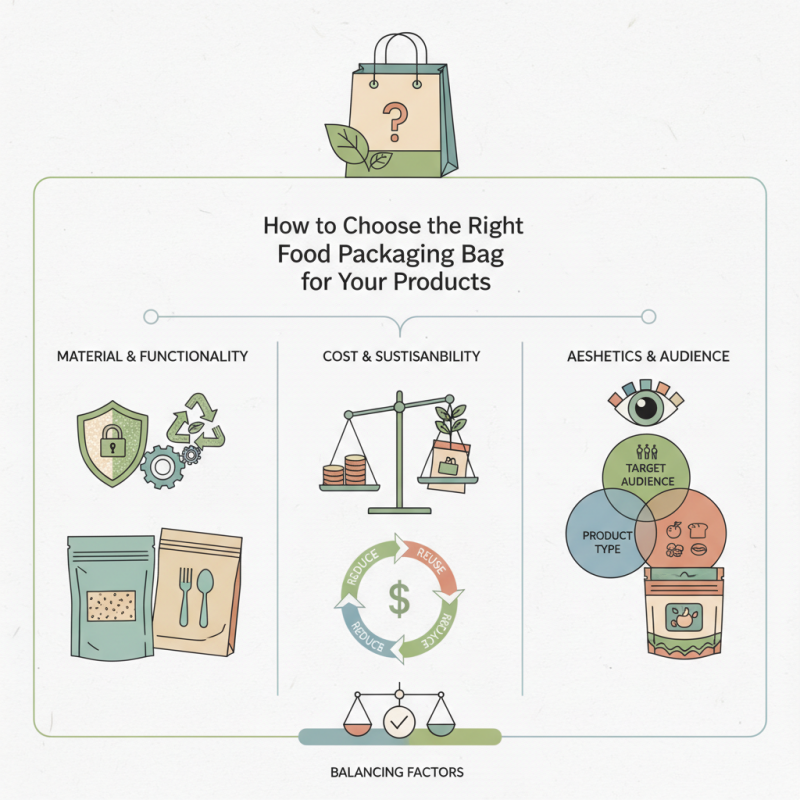
Visual aspects, such as color and design, also play a role. A well-designed bag catches the customer’s eye. Yet, not every design will suit every product. Businesses must reflect on their target audience and product type. Balancing cost, sustainability, and design is crucial for effective food packaging solutions.
Understanding Different Types of Food Packaging Bags Available
When selecting food packaging bags, it’s important to understand their various types. Each type serves different needs. For instance,
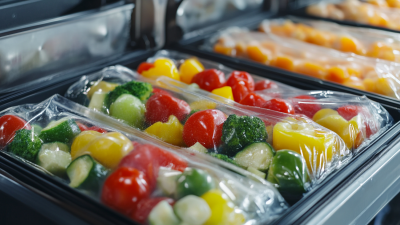
vacuum-sealed bags are perfect for preserving freshness. They reduce oxidation and extend shelf life.
However, they may not be suitable for all products, leading to spoilage in some cases.
Flat pouches come in many styles and sizes. They’re versatile and can hold liquids, solids, or powders. These bags often feature
resealable zippers. Yet, not all flat pouches offer the same barrier properties. This could lead to leaks or contamination.
Some might prefer
stand-up pouches, which offer visibility and stability. Still, they can take up more space
during storage and shipping.
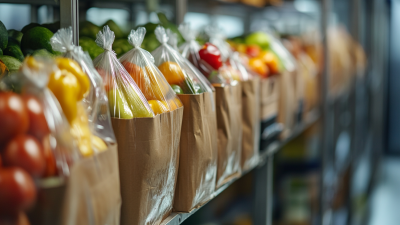
Another option is paper bags, often seen in grocery stores. They are biodegradable and offer
a natural look. However, they can absorb moisture easily. This can compromise the product inside. Choosing the right food packaging requires
careful thought. The balance between functionality and aesthetics can be tricky. Always consider product needs
and target customers.
Key Factors to Consider When Choosing Food Packaging Bags
Selecting the right food packaging bag is crucial. Several key factors impact your choice. Material is one of the most important aspects to consider. Options can range from paper to plastic, each offering unique benefits. For instance, plastic bags often provide a better moisture barrier. But, they may not be as eco-friendly as paper options.
Tip: Test different materials for your specific food items. Not all materials suit every product. For example, oily or moist foods often require specialized packaging. It’s essential to ensure the bag maintains the freshness of the food.
Another important factor is the size of the packaging bag. Consider the portion sizes you offer. If the bag is too large, it might cause food to settle and lose its quality. A snug fit can help keep items secure.
Tip: Monitor customer feedback regarding bag sizes. Are they happy with the portions? Adjust accordingly to meet their needs. Keeping your audience’s preferences in mind can lead to better sales.
Key Factors in Choosing Food Packaging Bags
Evaluating Material Options for Food Safety and Freshness
Choosing the right material for food packaging is critical. Different materials impact food safety and freshness differently. For example, plastic bags might seem convenient. However, not all plastics are safe for food contact. Certain types can leach chemicals into food, compromising quality. Using low-density polyethylene (LDPE) or polypropylene (PP) can help ensure safety.
Consider paper-based options too. They are biodegradable and offer breathability. This can be beneficial for some food items. However, they may not provide a moisture barrier. Some foods can spoil quickly if exposed to air and humidity. Reflect on the balance between environmental impacts and food preservation.
Lastly, think about the thickness of the material. Thicker bags can better protect contents but may cost more. Evaluate the trade-off carefully. Can you afford to invest in high-quality materials? Alternatively, could cheaper materials affect your product's reputation? Understanding material options can lead to better decisions for your brand and customers.
Assessing Design and Size For Product Visibility and Convenience
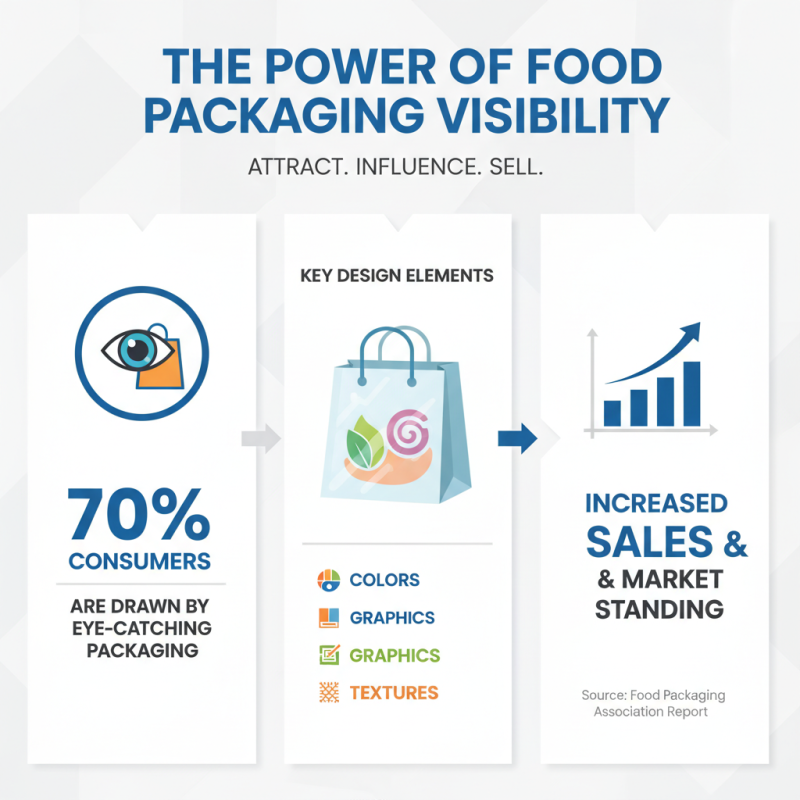
When it comes to food packaging, visibility is key. A well-designed bag can attract attention and influence buying decisions. According to a report by the Food Packaging Association, 70% of consumers are drawn to products due to eye-catching packaging. This emphasizes the importance of design in today’s competitive market. Colors, graphics, and even textures play a critical role in making products stand out on shelves.
Size is another crucial aspect. Packaging that is appropriately sized not only enhances product visibility but also adds convenience for consumers. An analysis from the Packaging Industry Association showed that 68% of shoppers prefer easy-to-handle packages. Oversized bags can create a perception of excessive waste, while undersized ones may project a lack of value. Striking the right balance is essential.
It's vital to reflect on the packaging choices made. Are they aligning with consumer expectations and sustainability trends? Many brands overlook the importance of consumer feedback on packaging designs. Addressing this allows for continuous improvement. Ultimately, evaluating both design and size in relation to consumer behavior can lead to more effective packaging solutions.
Cost Considerations and Sustainability in Food Packaging Choices
When selecting food packaging, cost is a vital factor. High-quality materials often come with higher prices. However, cheaper options may lead to spoilage or product damage. Consider the potential loss. Balancing cost and quality requires careful thought. Research different materials and their durability. Some bags may seem affordable but lack necessary features.
Sustainability is increasingly important in packaging choices. Eco-friendly materials are gaining traction. They can reduce environmental impact significantly. Many consumers prefer brands that prioritize sustainability. There’s growing pressure on businesses to adopt greener practices. However, these options might be pricier. It's essential to evaluate the long-term benefits of sustainable choices. Investing in eco-friendly packaging can enhance brand reputation. But, will higher costs affect pricing and sales?
Reflect on your values and the expectations of your target audience. Understand their preferences. Choosing the right packaging is not just financial; it’s also about impact. Customers may appreciate transparency. They often wish to know where their packaging comes from. That connection can drive loyalty. Consider how your choices align with your brand's mission and goals.
How to Choose the Right Food Packaging Bag for Your Products? - Cost Considerations and Sustainability in Food Packaging Choices
| Packaging Type |
Cost (per 1000 units) |
Material Type |
Sustainability Rating |
Shelf Life |
| Stand-Up Pouch |
$150 |
LDPE |
B |
12 months |
| Flat Bag |
$120 |
HDPE |
C |
6 months |
| Kraft Paper Bag |
$200 |
Paper |
A |
12 months |
| Biodegradable Bag |
$180 |
PLA |
A+ |
9 months |
| Vacuum Sealed Bag |
$250 |
Nylon |
B- |
18 months |

 中国
中国