What is Food Packing Plastic Roll and Its Uses?
Food Packing Plastic Roll is a critical component in the food packaging industry. According to a recent report by Research and Markets, the global food packaging market is projected to reach USD 500 billion by 2026. Food Packing Plastic Rolls play a vital role in this growth, ensuring food remains fresh and safe for consumption. They provide excellent barrier properties against moisture and contaminants.
With the rise of online food delivery and frozen meals, the demand for efficient packaging solutions is increasing. A survey by Freedonia Group highlights that plastic rolls account for over 30% of the food packaging materials used today. This shift reflects consumer preferences and the need for convenience. Yet, challenges remain. Sustainability concerns grow as plastic waste increases. More companies are exploring biodegradable options.
Not all Food Packing Plastic Rolls are created equal. The quality and type differ significantly. Choosing the right material matters to maintain food integrity. Manufacturers often overlook the importance of sourcing sustainable options. Importantly, reflection on this industry reveals that innovation is key to meeting evolving consumer needs while addressing environmental impacts.
What is Food Packing Plastic Roll?
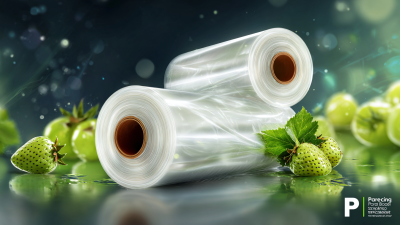
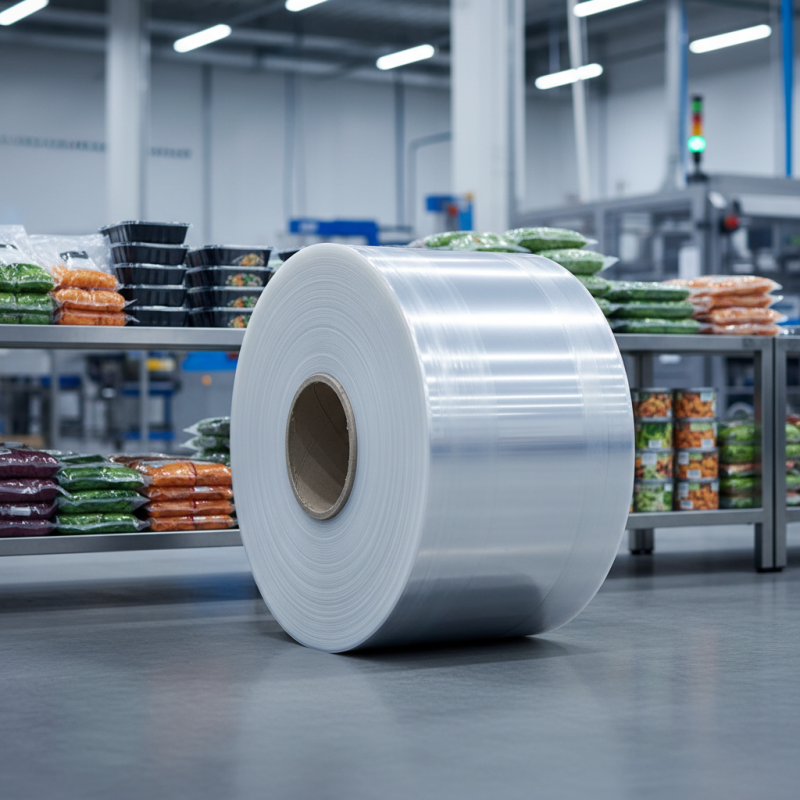
Food packing plastic rolls are versatile tools in food preservation. They come in large sheets that are easy to handle. Commonly made from polyethylene, these rolls offer a reliable way to store food. The clear material allows you to see the contents easily. You can cut the rolls to any size, which suits various food items. This flexibility reduces waste and makes packing efficient.
The uses of food packing plastic rolls extend beyond mere storage. They are great for wrapping sandwiches, vegetables, or leftovers. These rolls help maintain freshness and prevent spoilage. However, it’s important to note that improper sealing can lead to air pockets, which may spoil food faster. Ensure that the rolls are tightly sealed around the food. Some might find the rolls a bit challenging to handle at first, especially when cutting. Practice can make it easier.
In a world where convenience is key, food packing plastic rolls play a vital role. They save time and effort in meal prep. Yet, it’s essential to consider the environmental impact of plastic use. Reusing these rolls can be a thoughtful choice. It’s a small step towards reducing waste while enjoying the benefits of easy food packing.
Types of Food Packing Plastic Rolls Available
Food packing plastic rolls are essential in the food industry. They ensure food safety and freshness. Various types of food packing plastic rolls cater to different needs. Understanding these types can help businesses make informed choices.
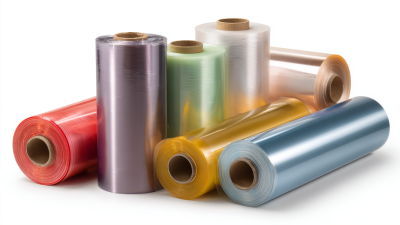
The most common type is polyethylene (PE) rolls. They offer good moisture protection. PE rolls are lightweight and versatile. Another popular choice is polypropylene (PP) rolls. They have better clarity. This helps in product visibility. According to industry reports, the demand for PP rolls has increased by 25% in the last three years. This growth reflects a shift toward better packaging solutions.
Vacuum-sealed rolls are also significant. They preserve food longer by removing air. A study showed that using vacuum sealing can extend shelf life by up to 300%. However, not all businesses use them effectively. Some still rely on outdated methods. This inconsistency can affect food quality and waste. It's crucial for companies to evaluate their packaging strategies regularly. They must consider new technologies and materials for better outcomes.
What is Food Packing Plastic Roll and Its Uses? - Types of Food Packing Plastic Rolls Available
| Type of Plastic Roll |
Material |
Uses |
Features |
| PVC Plastic Roll |
Polyvinyl Chloride |
Food wrapping, sandwich packing |
Durable, moisture-resistant |
| PE Plastic Roll |
Polyethylene |
Fruit and vegetable packaging, freezer bags |
Flexible, lightweight |
| PP Plastic Roll |
Polypropylene |
Takeaway food containers, wraps |
Heat-resistant, strong |
| PLA Plastic Roll |
Polylactic Acid |
Biodegradable food packaging |
Eco-friendly, compostable |
Benefits of Using Food Packing Plastic Rolls
Food packing plastic rolls have become essential in food preservation and storage. One significant benefit is their ability to extend shelf life. According to industry reports, using plastic rolls can prolong freshness by 50%. This is crucial for reducing food waste, which accounts for nearly one-third of food produced globally.
Another advantage is versatility. Food packing plastic rolls can be used for various food types, from meats to vegetables. They can be tailored to fit any food item, ensuring a tight seal. The flexibility in size and function aids in maintaining food quality. However, it’s vital to ensure proper sealing. An imperfect seal may lead to spoilage.
Tip: Always store your food in a dry, cool place. This helps maintain the integrity of the plastic rolls and the food quality inside. It’s also wise to check for any punctures in the plastic before use, as damaged rolls may compromise food safety.
Though plastic rolls are convenient, they raise environmental concerns. Many consumers are beginning to question their impact. Seeking biodegradable or recyclable options could be a way to address these issues. Responsible usage can help balance convenience and sustainability.
Common Applications of Food Packing Plastic Rolls
Food packing plastic rolls are versatile materials used widely in the packaging industry. Their primary function is to preserve food items and enhance shelf life. These rolls are often made from polyethylene, which is lightweight and durable. This combination helps maintain food freshness without adding unnecessary weight.
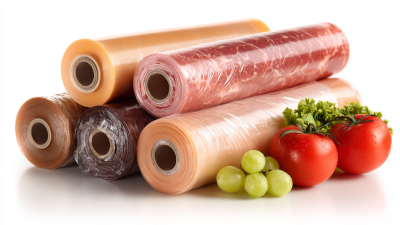
In grocery stores, these plastic rolls are commonly used for packaging fruits and vegetables. They help keep produce fresh and free from moisture. Many deli counters also utilize these rolls for wrapping meats and cheeses, ensuring safety and hygiene. Restaurants frequently use food packing plastic rolls to wrap leftover meals and protect them from contamination.
While these rolls are practical, their impact on the environment is a concern. The convenience of plastic often overshadows the need for sustainable alternatives. It’s vital to reflect on how we can mitigate this issue. Seeking biodegradable options or using less plastic is crucial for future packaging solutions. Balancing convenience and sustainability is a challenge we face.
Environmental Considerations and Alternatives in Food Packaging
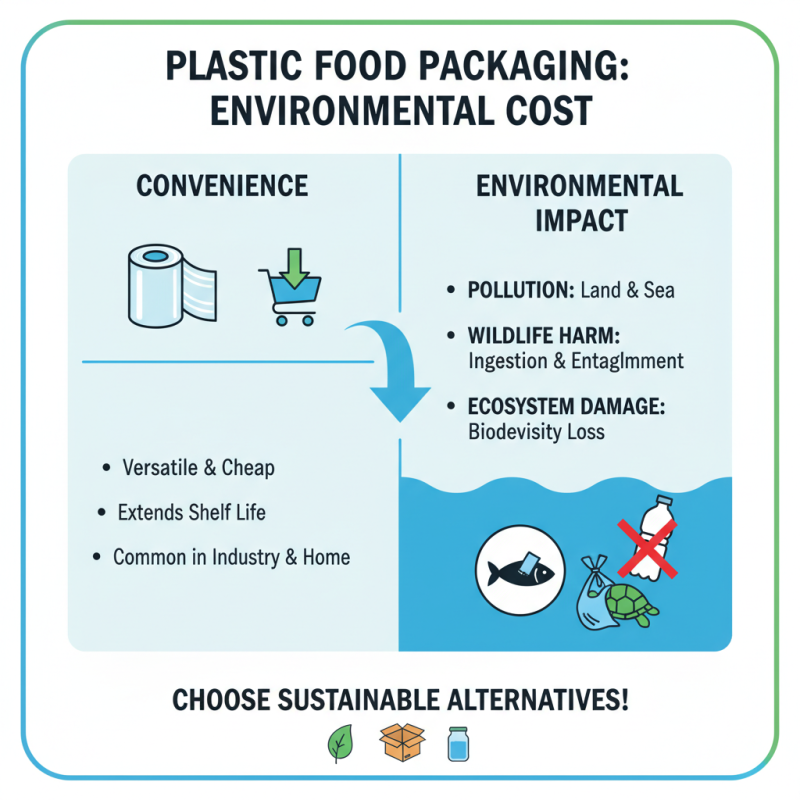
When we think about food packaging, plastic rolls often come to mind. They are convenient and widely used in various food industries. However, the environmental impact of such materials cannot be overlooked. Plastic waste contributes to pollution and harms wildlife. Many marine creatures mistake plastic for food. This poses severe risks to ecosystems and biodiversity.
It's imperative to explore sustainable alternatives. Compostable materials and biodegradable films offer potential solutions. These options break down naturally, reducing environmental harm. Some companies are experimenting with plant-based films. This innovation appears promising, yet it requires further research. Not all alternatives are equally effective or affordable.
As consumers, we must reconsider our choices. Educating ourselves about packaging can lead to better habits. Supporting companies that prioritize sustainability is crucial. However, the transition is slow. Many might feel overwhelmed by the complexity of options. Simple changes can have a significant impact over time. Understanding the implications of our choices is a step in the right direction.

 中国
中国