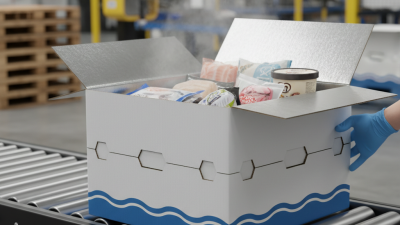
Top 10 Benefits of Frozen Food Packaging for Your Kitchen?
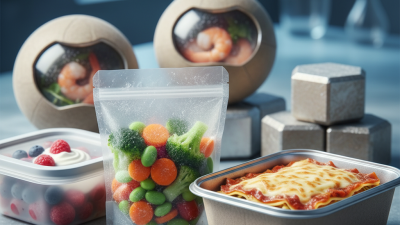
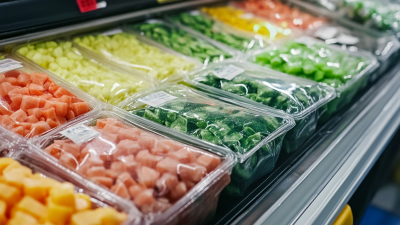
In today’s busy world, the need for convenience in meal preparation is growing. Frozen food packaging offers many advantages for modern kitchens. It allows us to enjoy fresh flavors and nutrients without wasting food. The right packaging helps keep items safe and accessible.
Convenience is just one benefit. Frozen food packaging extends shelf life, reducing spoilage. This means fewer trips to the grocery store and less stress about what to cook. It also saves money in the long run. However, some might wonder if the quality diminishes. Properly packaged frozen foods can retain their taste and texture.
Yet, not all frozen food packaging is created equal. Some materials may not be eco-friendly. Consumers should reflect on their choices and the long-term impact on the environment. Balancing convenience with sustainability is essential. Embracing frozen food packaging can transform your kitchen experience, but it’s vital to consider all aspects involved.
Advantages of Extended Shelf Life with Frozen Food Packaging
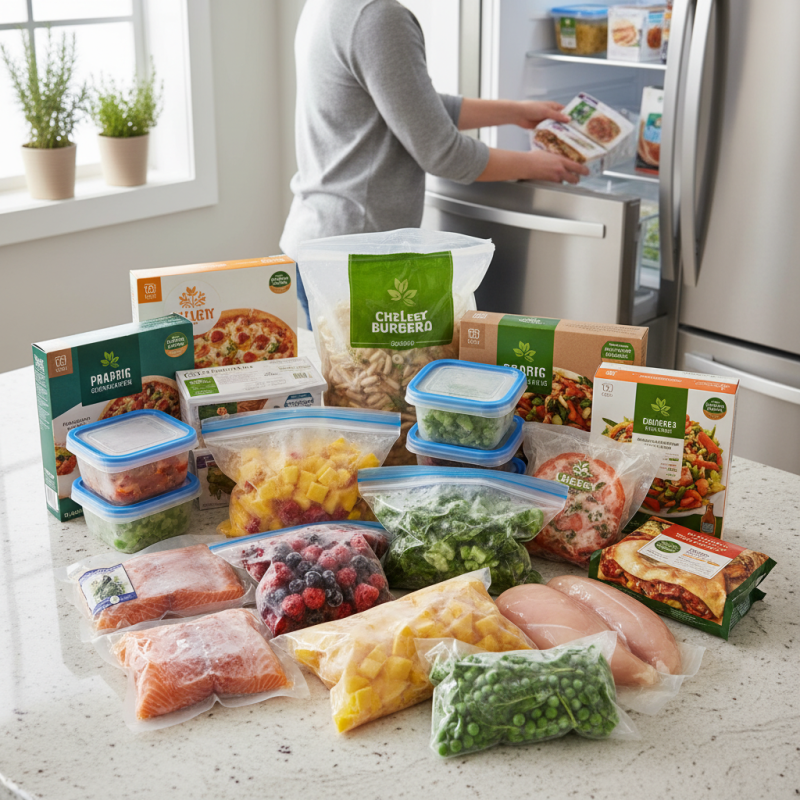
Frozen food packaging offers significant advantages, particularly regarding shelf life. Extended shelf life means reduced food waste. Reports indicate that around 30% of food produced globally is wasted. Frozen food helps address this issue effectively. Items stored in airtight packaging can last months, sometimes over a year, without spoiling.
This extended storage capability is quite beneficial for busy kitchens. Imagine having vegetables or meats ready at your fingertips. You can prepare meals quickly. A study found that frozen fruits retain up to 90% of their nutrients compared to fresh produce, which might lose nutrients during transport and storage. However, not all packaging is equal.
Some frozen food products lack proper labeling, leading to consumer confusion. Additionally, certain packaging materials can be less environmentally friendly. It’s crucial for consumers to be aware of the quality of packaging. Transparency in ingredient sourcing is often missing. Choosing the right products is key to maximizing the benefits of frozen food.
Top 10 Benefits of Frozen Food Packaging for Your Kitchen
| Benefit |
Description |
Impact on Kitchen |
| Extended Shelf Life |
Frozen food can last much longer than fresh food, reducing waste. |
Less frequent grocery shopping trips. |
| Convenience |
Pre-packaged meals save time in meal preparation. |
Quick meal solutions for busy days. |
| Nutritional Value |
Frozen foods are often picked at peak freshness and frozen quickly. |
Maintain nutrients better than some fresh produce. |
| Cost-Effective |
Buying frozen foods can save money in the long run. |
Less waste means better budgeting for groceries. |
| Variety |
A wide range of frozen foods is available year-round. |
Easy to experiment with different cuisines. |
| No Preservatives |
Many frozen foods contain no added preservatives. |
Healthier option compared to processed foods. |
| Portion Control |
Frozen foods come in various portion sizes. |
Helps manage serving sizes easily. |
| Easy Storage |
Frozen foods can be stacked and stored efficiently. |
Maximizes space in the freezer. |
| Seasonal Availability |
Enjoy seasonal foods like berries and veggies year-round. |
Access to favorite foods all year long. |
| Reduced Cooking Time |
Many frozen foods require minimal cooking time. |
Faster meal preparation enhances convenience. |
Improved Nutritional Retention through Proper Sealing Techniques
Frozen food packaging plays a vital role in maintaining nutritional value. Proper sealing techniques are essential. According to a study by the Food Quality Institute, properly sealed frozen foods retain about 90% of their nutrients. This is crucial for families seeking healthy meal options.
Effective packaging prevents nutrient loss from oxidation. Without airtight seals, vitamins can diminish rapidly. A report from the Institute of Food Technologists indicates that foods exposed to air can lose up to 50% of their vitamins within months. Vacuum sealing and protective layers can make a significant difference.
However, not all packaging is created equal. Some materials may allow moisture infiltration, affecting food quality. Research shows that many consumers overlook this detail. A focus on using high-quality materials can enhance the longevity and health benefits of frozen foods. It's worth reflecting on the choices we make regarding food storage processes.
Top 10 Benefits of Frozen Food Packaging for Your Kitchen
This chart illustrates the top 10 benefits of frozen food packaging in terms of improved nutritional retention, convenience, and waste reduction. Each benefit is measured based on user preference rating from 1 to 10.
Convenience in Meal Preparation with Pre-Portioned Frozen Foods
Frozen food packaging offers a fantastic solution for modern kitchens.
Pre-portioned frozen foods simplify meal preparation. After a long day, all you need to do is pick a packet, heat it, and you’re good to go.
This efficiency saves time, making it easier to enjoy wholesome meals without the hassle of cooking from scratch.
Choosing the right frozen meals can be tricky. Look for options that use natural ingredients.
Then, read the nutrition labels carefully. Many frozen foods can be high in sodium or preservatives.
Prioritize quality over quantity for better health outcomes.
Keep your frozen foods organized. Using clear bins can help you see what you have.
Labeling your food packages also makes meal planning easier. Having a mix of vegetables,
proteins, and grains can give you more variety.
Lastly, while frozen meals are convenient, they shouldn’t be your only choice. It’s still important to incorporate fresh ingredients into your diet.
Balance is key. Consider a mix of frozen and fresh foods to achieve an optimal nutrition plan.
Cost-Effectiveness of Bulk Buying and Long-Term Storage
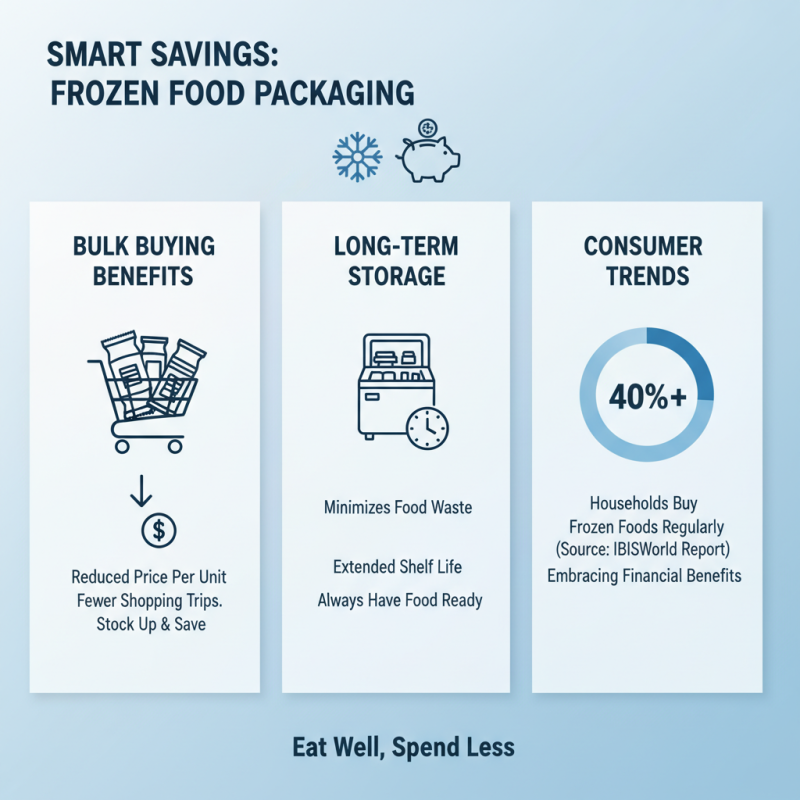
Frozen food packaging offers substantial cost-effectiveness, especially for bulk buying and long-term storage. According to a report by IBISWorld, more than 40% of households purchase frozen foods regularly. This trend shows that people are embracing the financial benefits. Buying in bulk reduces the price per unit significantly. For families, this means less frequent shopping trips and more savings.
Long-term storage of frozen foods is another essential aspect. The USDA states that well-packaged frozen items can retain quality for months or even years. However, improper packaging can lead to freezer burn, affecting taste. Many consumers overlook the importance of quality packaging. Using airtight containers significantly extends shelf life. This can save money but requires a mindful approach.
The convenience of frozen foods is attractive, but it can lead to waste. Packaging that allows for easy portioning is vital. This way, individuals can take out only what they need. The challenge arises when busy lives lead to neglecting stored items. Thus, while frozen foods can be economical, they demand careful planning and organization from the consumer to truly reap the benefits.
Reduction of Food Waste through Efficient Freezing Practices
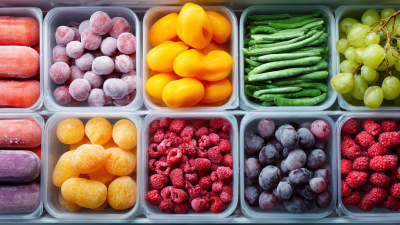
Frozen food packaging offers numerous benefits for kitchens, especially in reducing food waste. When food is frozen properly, it maintains its quality and freshness. This method significantly extends the lifespan of ingredients. Many people buy fresh produce only to find it spoiling quickly. Frozen vegetables and fruits can be just as nutritious and are often more cost-effective.
Tips for proper freezing: Use airtight containers to prevent freezer burn. Label your packages with dates to track freshness. Portion meals into individual servings. This way, you can defrost only what you need. It reduces the temptation to overconsume or waste food that was once fresh.
Sometimes, we forget to use our frozen items. It’s easy to lose track of what’s in the freezer. Organize your freezer regularly. Keep older items at the front. Set a weekly reminder to check your supplies. This practice helps minimize waste. Preparing meals in advance can also lead to less last-minute buying, which often results in discarded food.

 中国
中国